

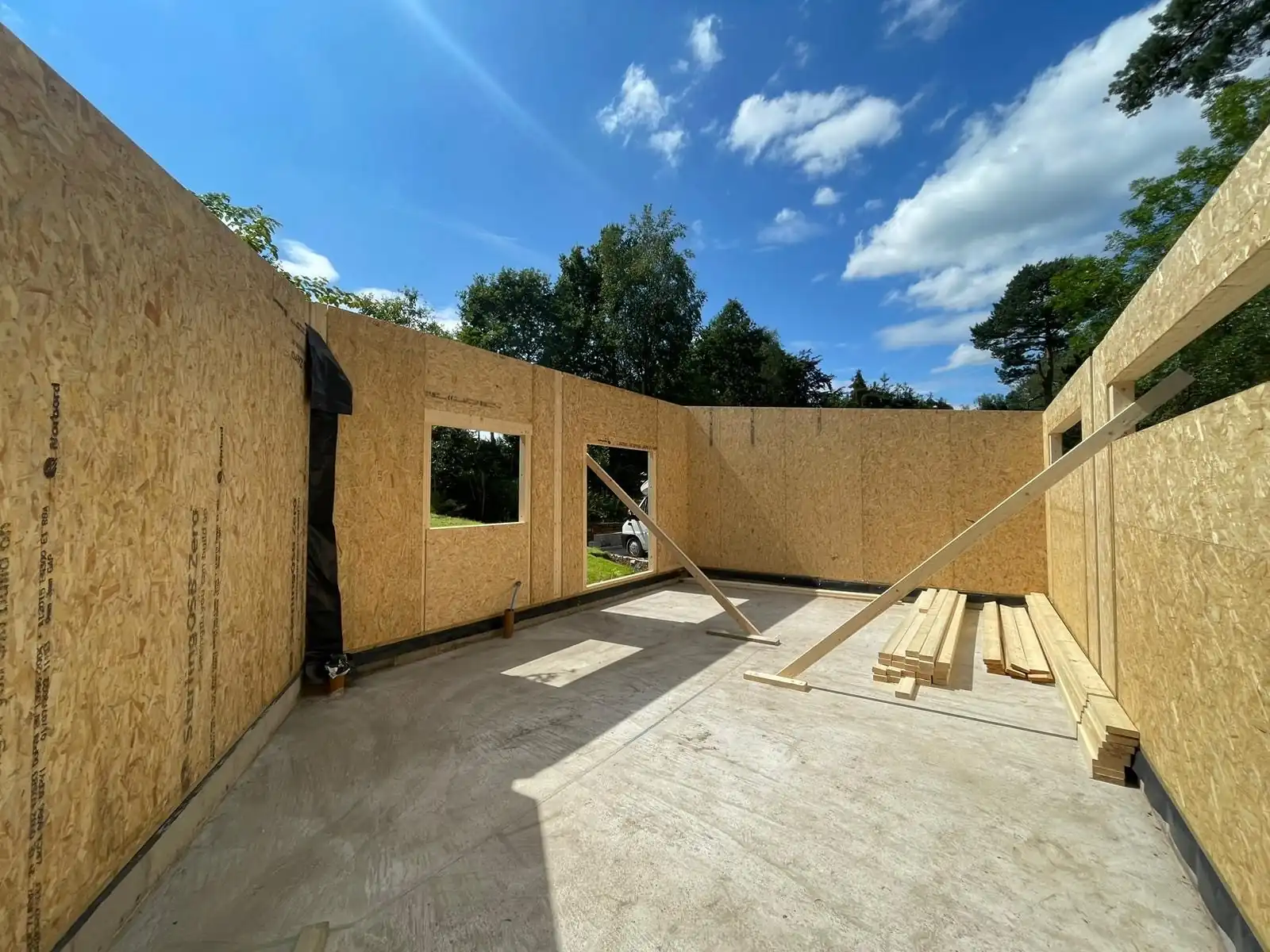
Structural Insulated Panels (SIPs) are increasingly used in UK residential and commercial construction due to their energy efficiency and quick installation. Their use is governed by UK Building Regulations to ensure safety, performance, and long-term sustainability.
We understand that UK Building Regulations impact everyone involved in the construction process.From architects and designers who shape compliant structures, to builders and contractors delivering work on site, and developers managing project outcomes — each plays a critical role. The same applies to self-builders and homeowners making structural changes. These regulations are in place to ensure that every stakeholder is meeting the required standards for safety, quality, and compliance throughout the build.
UK Building Regulations concerning Structural Insulated Panels (SIPs) apply to any individual or organisation involved in the design, construction, or alteration of a building.
These regulations are pertinent to new constructions, significant renovations, and extensions in both residential and commercial settings. Compliance is mandatory to ensure that buildings meet the required standards for safety, health, and environmental performance.
The primary objectives of the UK Building Regulations concerning SIPs including SIPs align well with these objectives due to their inherent properties, such as high thermal insulation, structural strength, and potential for airtight construction.
To ensure compliance when using SIPs, stakeholders should:
By adhering to these considerations, stakeholders can effectively integrate SIPs into their projects while ensuring compliance with UK Building Regulations.
Structural Insulated Panels (SIPs) are renowned for their durability and energy efficiency, making them a compelling choice for modern construction. Their performance aligns closely with the UK's evolving Building Regulations, particularly Part L, which focuses on energy conservation.
SIPs are engineered for longevity. When properly maintained, buildings constructed with SIPs can have a lifespan comparable to traditional brick-and-mortar structures. The UK SIP Association's Code of Practice emphasizes that the long-term performance of a SIP building largely depends on proper design, manufacturing standards, and workmanship Manufacturers like SIP Build UK highlight that their panels are designed to be durable, contributing to reduced energy consumption over the building's lifespan . Additionally, SIPs' resistance to common issues like mold and pests further enhances their longevity.
SIPs offer exceptional thermal performance due to their solid core of insulation sandwiched between structural facings. This design minimizes thermal bridging and air leakage, leading to significant energy savings.Key energy efficiency benefits includes:
These attributes not only reduce operational energy costs but also contribute to lower carbon emissions, aligning with the UK's sustainability goals.
The UK's Part L Building Regulations, updated in June 2022, mandate a 31% reduction in carbon emissions for new homes compared to previous standards. SIPs are well-suited to meet and exceed these requirements due to their superior thermal performance.Looking ahead, the Future Homes Standard, set to be introduced in 2025, aims for a 75-80% reduction in carbon emissions. SIPs' energy efficiency positions them as a strategic choice for builders aiming to comply with these forthcoming regulations.
For more detailed information on SIPs and their compliance with UK Building Regulations.
These resources provide comprehensive insights into the benefits of SIPs and their role in sustainable construction practices.

August 6, 2026

August 6, 2026
July 1, 2026