Building Green From the Bones: The Fabric First Approach to Sustainable Construction
The construction industry is a major contributor to global energy consumption and carbon emissions. To combat this, sustainable building practices are becoming increasingly important. One such approach, the fabric first method, prioritises energy efficiency by optimising the building itself before relying on mechanical systems.
What is the Fabric First Approach?
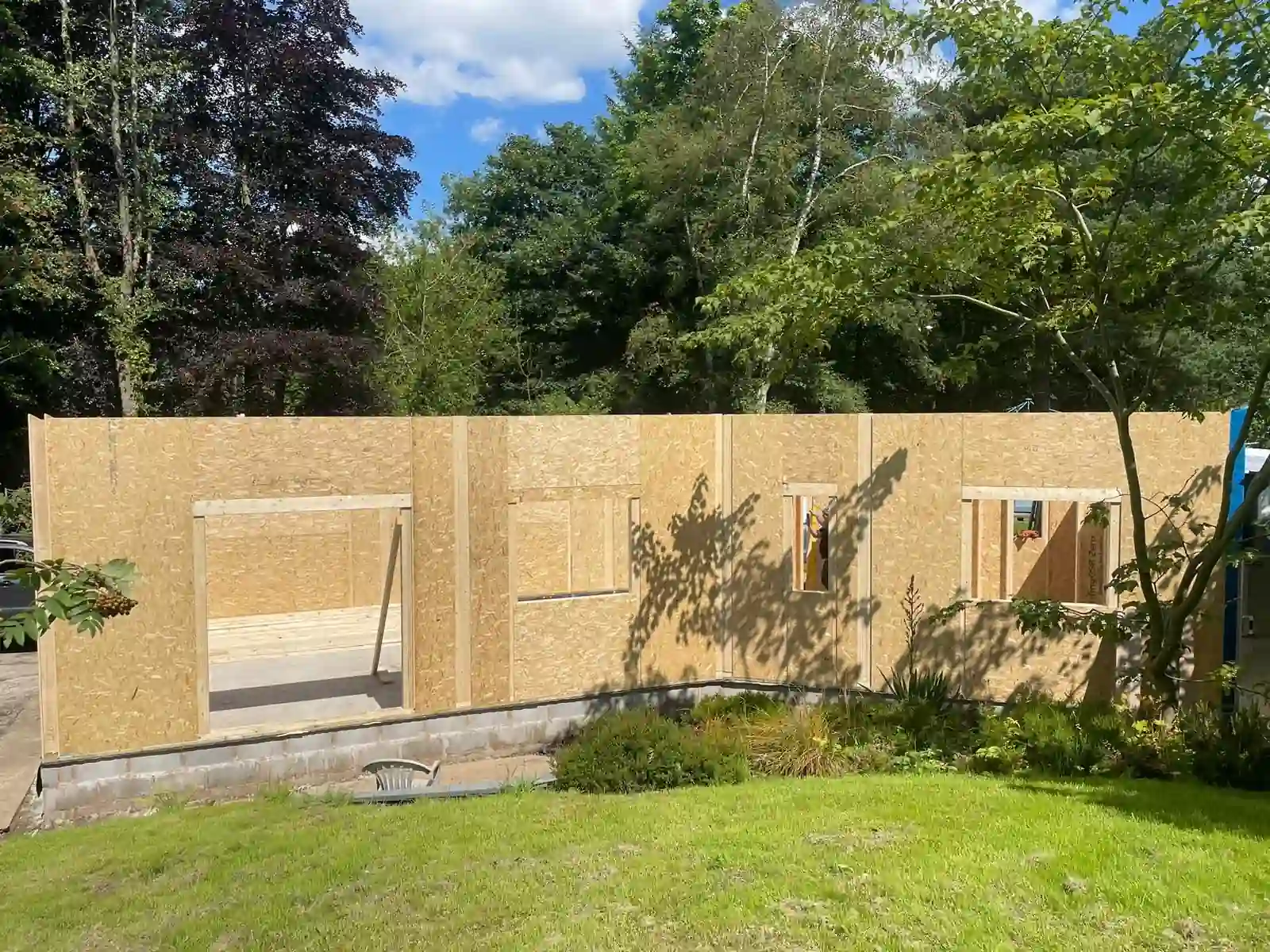
In essence, fabric first focuses on the building envelope – the walls, roof, windows, doors, and floors. By meticulously designing and constructing these elements, the goal is to create a structure that minimises heat loss in winter and heat gain in summer. This translates to a significant reduction in energy consumption needed for heating and cooling, lowering the building's environmental impact.
Benefits of Fabric First Construction
- Reduced Energy Use: A well-designed fabric reduces the demand for heating and cooling systems, leading to lower operational costs and a smaller carbon footprint.
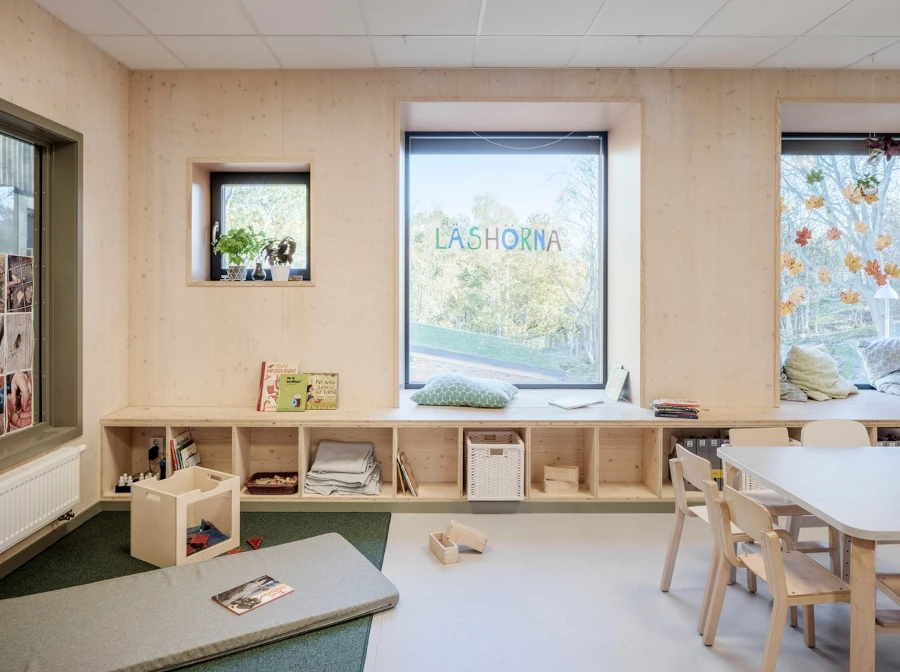
- Improved Thermal Comfort: By minimising drafts and maintaining consistent temperatures, fabric first buildings provide a more comfortable living or working environment.
- Enhanced Indoor Air Quality: A tight building envelope reduces infiltration of outdoor pollutants and allergens, leading to better indoor air quality.
- Lower Maintenance Needs: High-performance materials and proper construction techniques can minimise the need for future repairs and maintenance.
Key Fabric First Strategies
- Maximising Airtightness: Sealing gaps and leaks in the building envelope prevents conditioned air from escaping and minimises drafts.
- Super Insulation: Utilising high-performance insulation materials in walls, roofs, and floors significantly reduces heat transfer.
- Optimising Solar Gain: Strategically placing windows and using overhangs allows for natural light and warmth in winter while preventing overheating in summer.
- Natural Ventilation: Designing for effective natural ventilation reduces reliance on mechanical cooling systems.
- Thermal Mass: Utilising materials with high thermal mass, like concrete or brick, can help regulate indoor temperatures.
Fabric First vs. Renewable Technologies
While renewable energy sources like solar panels can play a role, the fabric first approach prioritises reducing the overall energy demand of the building. This makes renewable energy systems more effective, as they have a smaller load to supplement.
The Future of Sustainable Construction
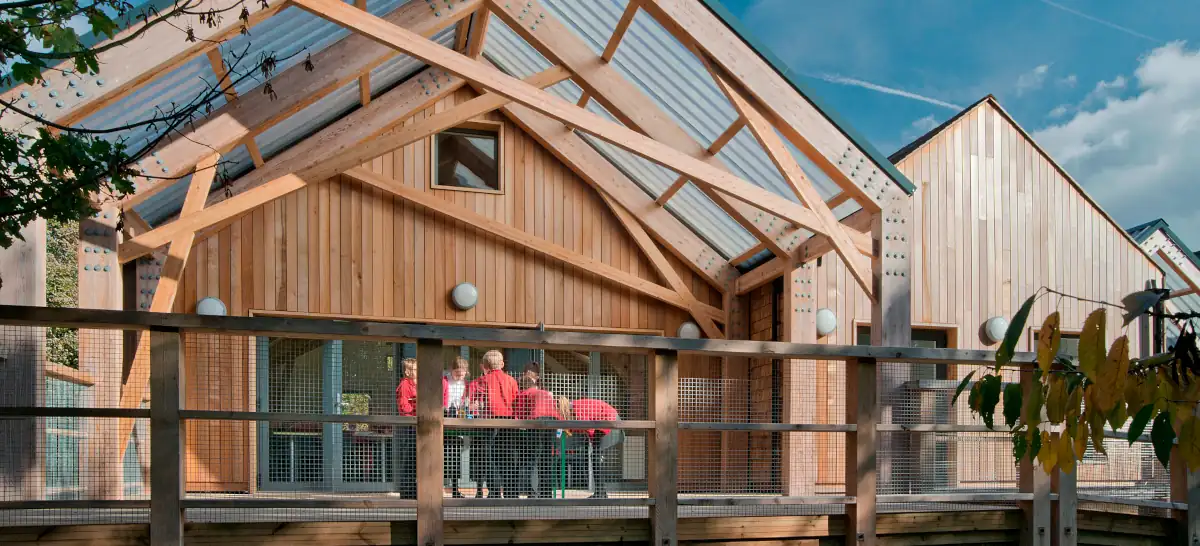
The fabric first approach is a cornerstone of sustainable building practices. By focusing on energy efficiency from the design stage onwards, it offers a cost-effective and environmentally friendly way to construct buildings. As the construction industry strives for a greener future, the fabric first approach will likely play an increasingly important role.
About McVeigh Offsite
Focussing on
SIP panels and highly efficient building envelopes. McVeigh Offsite design, install and build the 'Fabric First' approach to sustainable construction. To plan your new, energy-efficient home,
get in touch today.